Embarrassing yourself in Korea – Spa Etiquette 101


Embarrassing yourself in Korea – Korean Mysteries

When you don’t speak the languge – and can’t read the signs – it’s pretty easy to make mistakes. My latest embarrassements were Spa related. The Kensington Resort in Sokcho is reputed to have one of the nicest Spa’s in the area – so naturally – I had to go. The cost was a measly 6000 Won – $6, clearly a deal.

I’ve done Spa’s before in various countries – Japan, Laos, Vietnam, Fez – so I’m not a complete idiot where Spa Etiquette is concerned – but somehow I manage to mess it up anyway.

In the case of the Kensington, I really only made a few major errors. But let’s start at the beginning.

My first Spa attempt was on Wednesday – I mention this because I think Wednesday must be a down day at the Spa – only about 5 people there – all in separate areas. Wonderfully private. My ‘oops’ – I wanted to wear my bathing suit. Heads-up people – Spa’s in Korea are ‘nudu’ – that’s nude. They have complete separate facilities for men and women – kids don’t count – so it’s not like you are suddenly visiting a nudist colony – but bathing suits are a definitely no-no.

Stripped to an approrpiate state – I could now enter the Spa. There were 2 large saunas – one labeled ‘Finnish Style’, the other called ‘Yellow Ocher’. There were also 4 large ‘pools’, each with a digital temperature display – 37.9, 40.0, 41, and 31.5. The 41 degree pool was hot sea water – and it felt great. The 31.5 degree pool was ‘cold’ water – and I ended up between these two. But first you must shower. Good news – been in Japan – know how to use a Japanese bath.

In the Korean version – you had 2 choices. You could do a standard Japanese bath – you sit on a low stool in front of a mirror, and use buckets of hot and cold water and soap to get everything clean. Or you could opt for a western style shower – which is what I took. The floor was particularly neat – it was made of large flat stones, with narrow sections that were deeper and led to the drains. So the flat stones, while wet, didn’t stay soapy and slick – all the soap was washed down into the narrow sections and from there to the drains.

After a good scrub down – I was able to enjoy the hot tubs. They weren’t very deep, just right for sitting in – and there were slabs that connected the sections that you could perch on to get out of the hot water. The view – despite the name – Ocean Spa – wasn’t much – the windows were frosted to maintain privacy.

Overall – a lovely experience. So of course – I wanted to do it again. This time on Sunday.
Well – Sunday is bath day amoung the local 20 to 40 year old crowd apparently – and the place was packed. I counted at least 40 women – plus 5 kids ranging from about 3 to 12 years of age. The 2 massage tables were filled, the saunas were in full use, and I had problems finding a quiet corner that didn’t get splashed when I was soaking in the hot salt water. Not that the noise level was high – but there was conversations here and there as friends caught up on the news (all in Korean) – and kids playing in the warm water pool. Quite the lovely scene – and easy to imagine it as a painting. Korean women are slim and have quite nice figures. The only older people were myself, and one elderly ‘auntie’ with a severe dowgers hump. The rest were young and very attractive. Most striking to me was the hair color – I know of course that Asians have black hair – but I guess I hadn’t really thought it completely thru.

I made two oops. One when I walked in. I had noticed that they had little plastic pads available – and I thought they were for people to use to sit on if they didn’t care to sit on the stones. I was right on the purpose – but I found out later that they were for sale. Oops. No money. I handed it back. The Spa lady gave it back to me. I handed it back to her – no money. She threw it in the laundry. Hope they wash it and put it back on the counter to sell.

My second oops was dress related. I knew that the Spa was ‘Nudu’ – so I wore my bathing suit and a largeish t-shirt down to the spa. I guess the gal running the spa didn’t notice when I walked in – but when I left – she got very concerned. Turns out she thought I was still ‘Nudu’ under the T-shirt. I had to show her my bathing suit before she’d let me leave!

I think this place should write up an English guide to Spa Appropriate Behavior. If they ask me – I’d be glad to help. But given the number of ‘foreigners’ I’ve seen – probably a non-issue. Or like the Leonard Cohen song – “Every one Knows”.

Signing off – The Soup Lady and the Intrepid Traveler (who refuses to go into Spas – I think she’s not into ‘Nudu’!)

PS: Sorry – no pictures for obvious reasons. Just use your imagination – you’ll be fine.
Getting Grannie Time – Even if it means traveling to Korea!


Today’s reality is that families don’t live near each other. Well, some families are blessed by being close – but more and more families are dealing with long distance relationships, particularly grand-parents and grand-kids.

20130528-052207.jpg

I’m among the blessed – my grand-kids (2 so far – always routing for more of course) live relatively near by – a 30 minute drive. So we can get together for dinner and a home movie – even grab them for a ‘grannie’ weekend, without having to make serious arrangements. But not all families are so blessed, nor all kids so willing to share.

20130528-052151.jpg

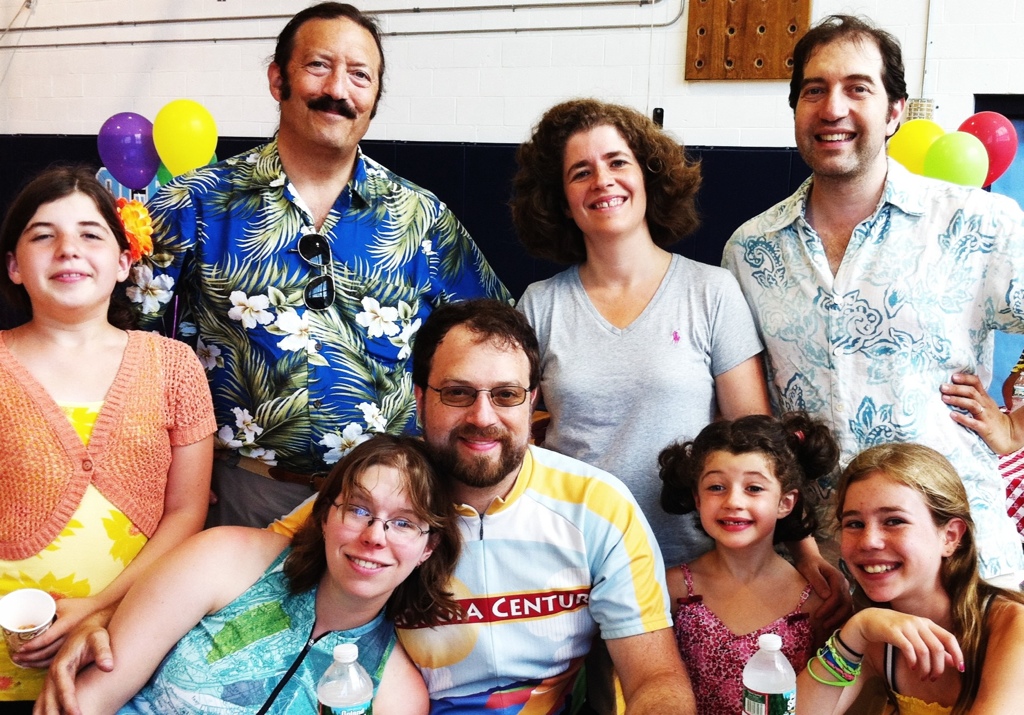
My friend the Intrepid Traveler has 6 grand-kids, 2 of whom live near by but seldom visit, 2 of which live about 40 minutes from her house but she sees a lot and has a close relationship with – and 2 of which live in Tiawan. That’s 12,000 miles from her home. So spending quantity or quality time with them is near to impossible. That’s a large part of the reason we’re in Korea. It was easy for her kids and grand-kids to get to, and not insanely expensive for us. Plus we were able to score timeshare weeks at the Kensington Beach Resort. So we’ve spent the last 10 days living next door to her kids, and since they are not ‘at home’ either, they have had no distractions – no work, no other friends – just us, the kids, the grand-kids.

So – quality time to the max.

20130527-231411.jpg

20130527-231346.jpg

Is 2 weeks enough time to really get to know your kids and grand-kids? Well, it can’t hurt of course. And it’s a ton better than nothing. For the Intrepid Traveler – it’s meant time for conversations with her son and daughter-in-law. Conversations that don’t get cut short by other friends calling, TV blaring, or the needs of husbands. Instead our focus has been on the kids – helping them color in pictures, cook, play in the playground or even just sit on the beach. It’s been amazing.

So why am I muttering? Well – as more families are separated by significant distance, the issue is – who makes the move to get together. I’m of the opinion that the responsibility – at least during the hardest child rearing years – is on the grand-parent. If you want quality time with your grand-kids – you need to make it a priority – or it won’t happen. It’s too much to expect kids to break their routine and drag themselves to you – so you have to go to them. It’s seriously nice of course that the kids of the Intrepid Traveler were willing to meet us part way – and more importantly – take 2 whole weeks off work to just relax with grannie.

Now I know all the excuses – I’m too busy, I have a job, the kids don’t like the way I treat their kids, the kids are worried I’ll spoil the grand-kids, my daughter (or daughter-in-law) doesn’t make me feel welcome. But these are excuses, not reasons. Anything can/should be worked out if it makes lives better for the kids – right?

Here’s another thought – what do the Grand-kids think? My daughter is just turning 30 so I asked her what her memories of her grand-mother (my mother) were. We lived 1000 miles apart – so time together was determined by us committing to visiting them rather than they visiting us. To my surprise – my daughters recollections were extremely strong and very positive. Granted we tried to make sure that my kids got time with their grand-parents – but we were rarely able to spend 2 weeks at a stretch together – even a week was a long time. So clearly it’s more about repetition in my daughter’s case.

An issue – there is only a few years when Grand-kids are even willing to spend that kind of time doing ‘nothing’. Once they hit age 13 – all bets are off on spending time with grannies. So – do it now – no one has ever been sorry they spent too much time getting to know their kids and grand-kids.

My questions to you – my readers – One – how far do you live from your parents/grand-parents/grand-kids. Two – what are your memories of your grand parents? and Three – do you try to get your kids together with your parents – or if you are a grand parent – do you try to get to spend time with your grand kids? Or – if you are the kid – have you called/talked/chatted with your grand-parents lately?

My challenge to you – In the next 12 months – get some quality time with your grand kids/grand-parents – and comment to me about it!

Signing off to spend more time with the grand-kids – The Soup lady and the Intrepid Traveler.

Korean Attractions Smack-Down – What to see – and what NOT to see!


Ranked from our least favorite to our trip highlight – these are the attractions in Korea that we loved and thought – Boring! Check it out.

10. North of Sokcho – Fisheries Museum – Charge (Getting there – take the #1 or #1-1 Bus from Sokcho – and just keep going and going and going. It’s about an hour ride, plus a 10 minute walk). We wanted an outing – and that’s what we got. Best part were the two 3D movies, otherwise the fish looked sad, and the tanks were too small. But the building is really neat looking, which kinda sucked us in. Go for the Maritime Museum in Busan if price is important, or the Busan Aquarium if you want to see fish. Forget this one.

9. Seoul – Namsangol Hanok Maeul (traditional Village) – Free. Best part – it’s open on Monday when almost everything in Seoul besides shopping is closed – and there’s a ‘costume’ rental on site. Koreans love to rent costumes and walk the village dressed in traditional clothes – and it’s a lot of fun to watch them. Plus – when we stayed in a traditional house in Gyeongiu – these traditional houses made more sense. There are English signs – and some of the rooms are ‘furnished’ – but most are either used for other purposes – like a ‘pay for’ tea ceremony or costume rental. Nice place to visit when everything else is closed – but that’s about it.

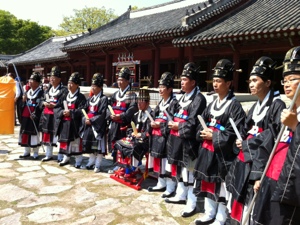
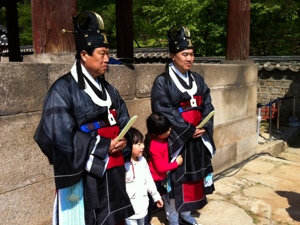
8. Seoul – Jongmyo (Royal Shrine) – Charge. We lucked into seeing this during the yearly Confusion ancestor Ceremony. If it hadn’t been for the costumed ceremony going on while we were there – I would rate this even lower. But meeting the ‘re-enactors’ after the performance of the rite was a hoot and a half as you can tell from the pictures.

20130525-232850.jpg

20130525-232904.jpg

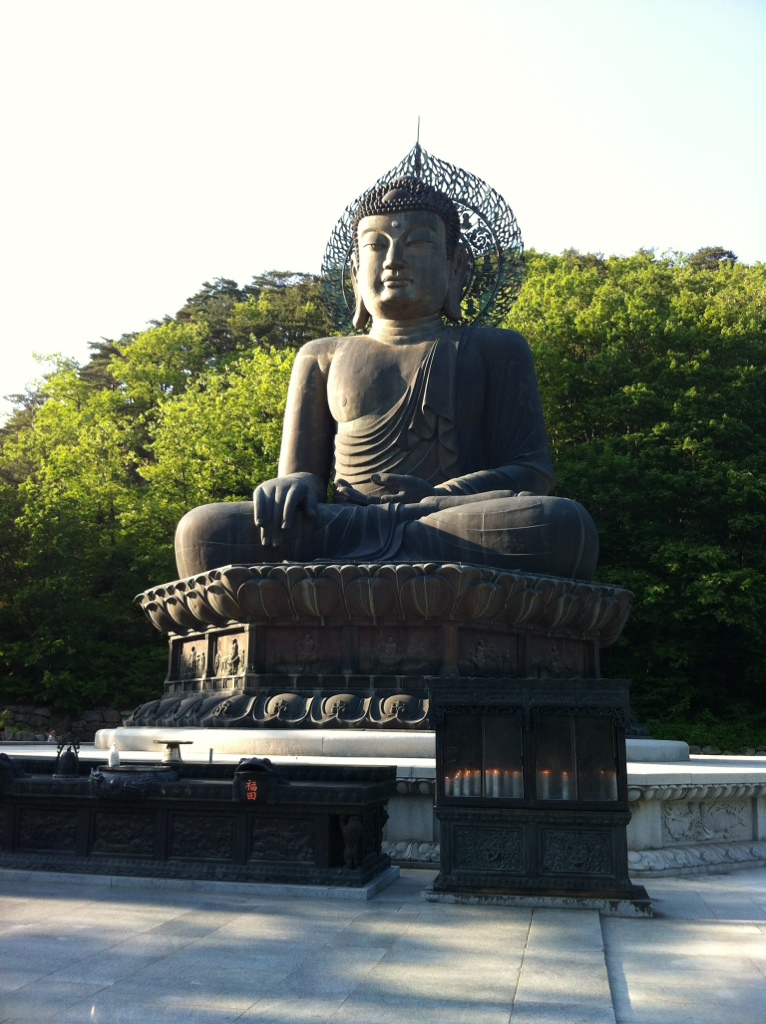
7. Sokcho – Seoraksan National Park – Charge. (Getting there – Bus 7 from Sokcho goes to the main gate – and costs just 1100 Won ($1.10)). There are apparently 4 entrances to the Park – the bus from Sokcho takes you to just one of them. To get to the others – you’ll need to take a taxi. We decided that the main entrance was fine for us. We rode the Cable Car (Separate Charge) up to the top of Gwongeumseong. The guide book warned of long waits – but it was empty when we were there – no wait at all. At the top there is a lovely little temple down about 200 stair steps, and up from the Cable Car Station is a 20 minute hike to the peak of the Mountain. Marcel (5) and his Dad did that hike, I visited the temple. We then came back down and did 3/4 of the walk to Biryong Falls. Unfortunately, the path which was rated as easy walking, isn’t easy for a stroller – and that meant carrying baby Sophie. No fun. So we turned around and went back. The park is lovely – by Korean standards outstanding, but not up to standards of a Jackson Hole, Telluride, or even Stowe. Never-the-less – it’s a fun outing with kids. I particularly liked the tiny temple I visited, and there’s a huge Buddha near the main gate that hides a wonderful temple underneath. That was also worth a visit. I think the Park would be a lot more fun without a baby in a baby stroller. Maybe in a few years we will get to return.

20130525-232916.jpg

6. Busam – UN Memorial cemetery, Peace Park, Sculpture Garden – Free. I actually really liked this – the movie is a tear jerker – but it does goes a way towards explaining one version of the history of the Korean War. And since my Dad was a Korean War Vet – that definitely added a sense of drama to the location. The statues are in very good taste, the ‘Peace’ Garden lovely, and I liked the sculptures from artists around the world. We didn’t get to walk in the adjacent ‘park’ – but it had bridges and ponds – and seemed quite the in thing with a much younger (kids) crowd.

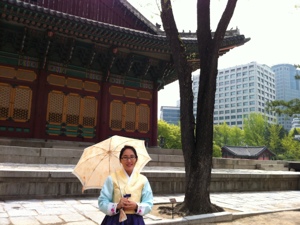
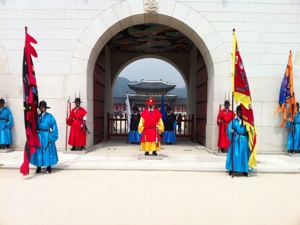
5. Seoul – 5 Palaces and the Biwon – the Secret Garden. We visited all 5 palaces, and I can tell you – don’t. Visit just 2 – Start with Deoksu which is right across from City Hall, and do the tour. That will give you a very good grasp of the history of the Joseon Dynasty – and a peek into what was going on right before and during the Japanese occupation starting in 1905. See the changing of the guard. Then walk North to Gyeongbokgung Palace, check out the guards – but don’t bother to tour. It’s huge, crowded, and just a much larger version of Deoksu – then walk East to Changdeok Palace – and my personal highlight – the tour of Biwon – the Secret Garden. It’s stunningly beautiful. You don’t want to miss it. You must take a guided tour – but it is well worth both the money and the time.

20130525-232939.jpg

20130525-232952.jpg

20130525-233004.jpg

20130525-233017.jpg

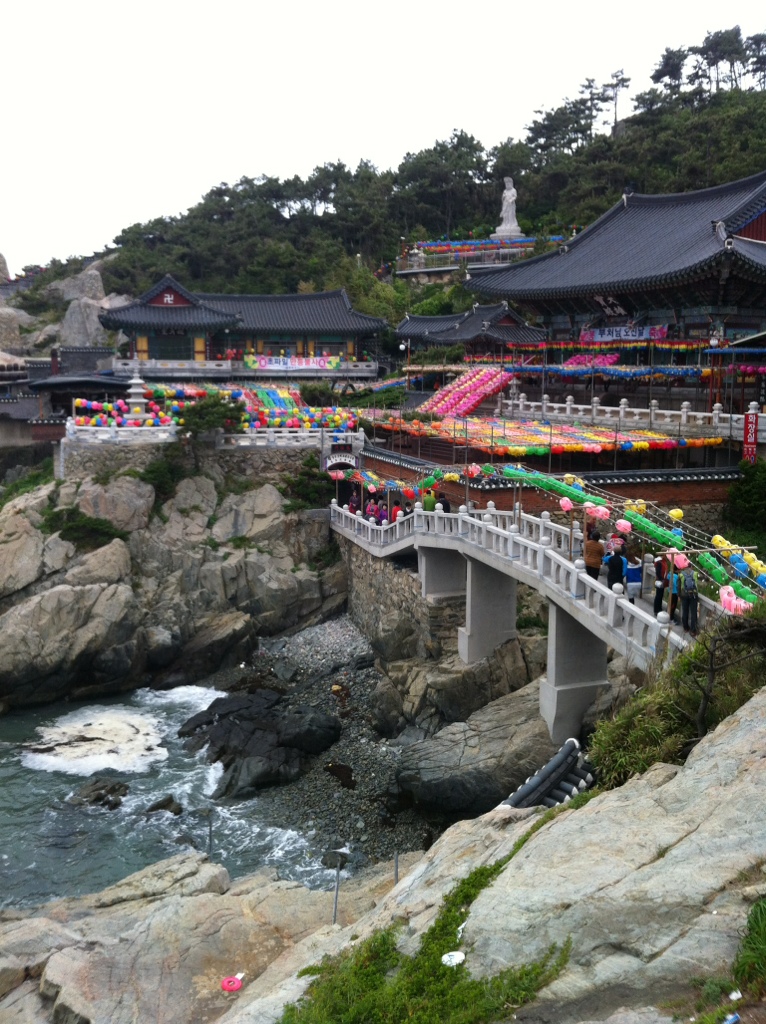
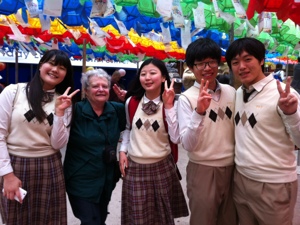
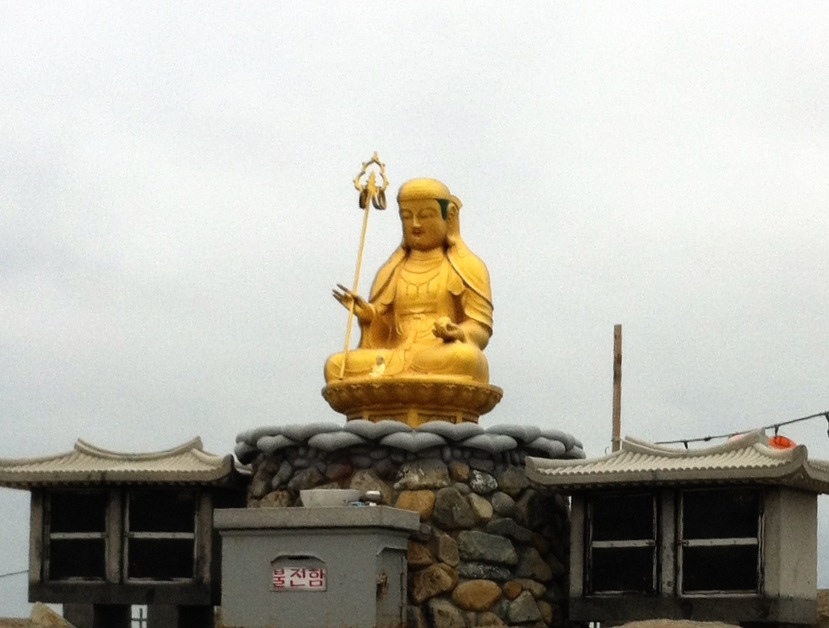
4. Busan – Haedong Yonggung Temple – Free (Getting there – Subway to Haeundae Station, then take bus 181. Attached to the temple is the Fisheries Museum – a must see in my book). This was the absolutely most commercial temple we saw. Lining the stone pathway to the temple proper were various Buddha’s with signs – in English and Korean – explaining their benefits. There was a Buddha for traffic problems (including a flat tire), a Buddha for male children, plus many other’s – each with its own collection box. But that didn’t really detract from the absolutely outstanding location of this temple. It is perched on cliffs hanging over the sea – with sub-temples tucked here and there. I particularly liked the gold painted Buddha that sits out on a promontory – all alone. The most fun we had here was people related – of course. Jill got approached by a young student, who explained that her teacher had sent them on a mission to get a picture with a foreigner. Would that be ok with Jill? Once Jill proved that she didn’t bite – the word spread like wildfire – every single one of her classmates come over to get their picture taken too. Bet that teacher is going to be surprised to get 30 pictures of the same pair of little old ladies! Touring hint – To the left along the sea from the temple is the back entry to the Fisheries Museum which we loved.

20130525-233031.jpg

20130525-233044.jpg

20130525-233057.jpg

20130525-233115.jpg

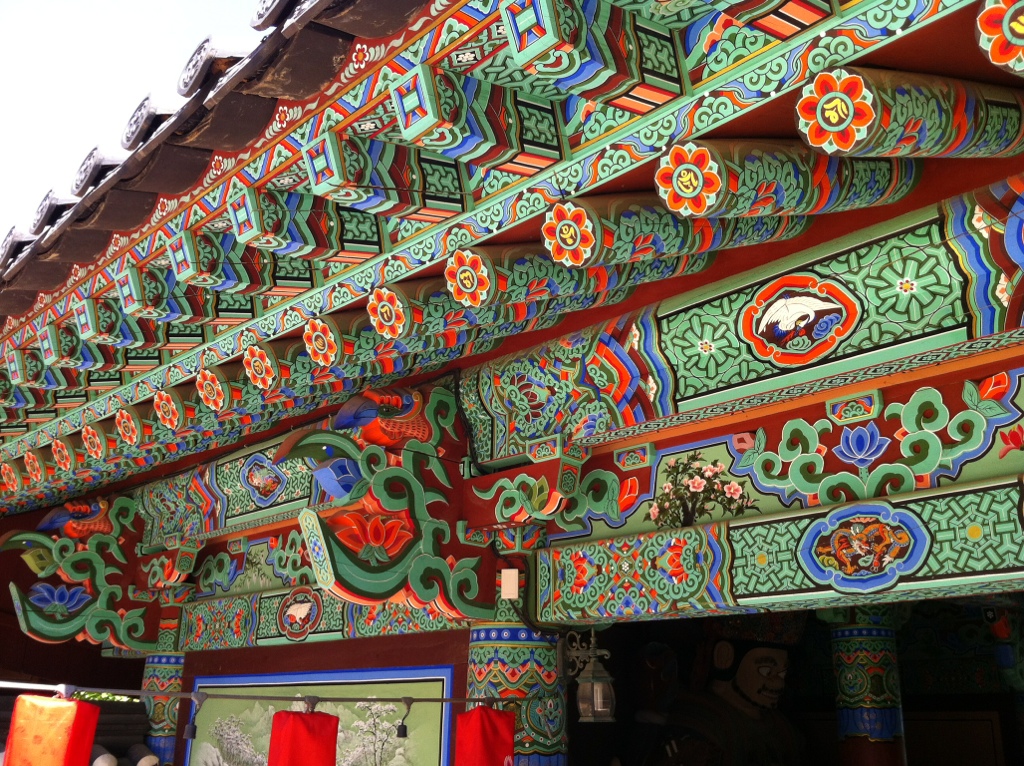
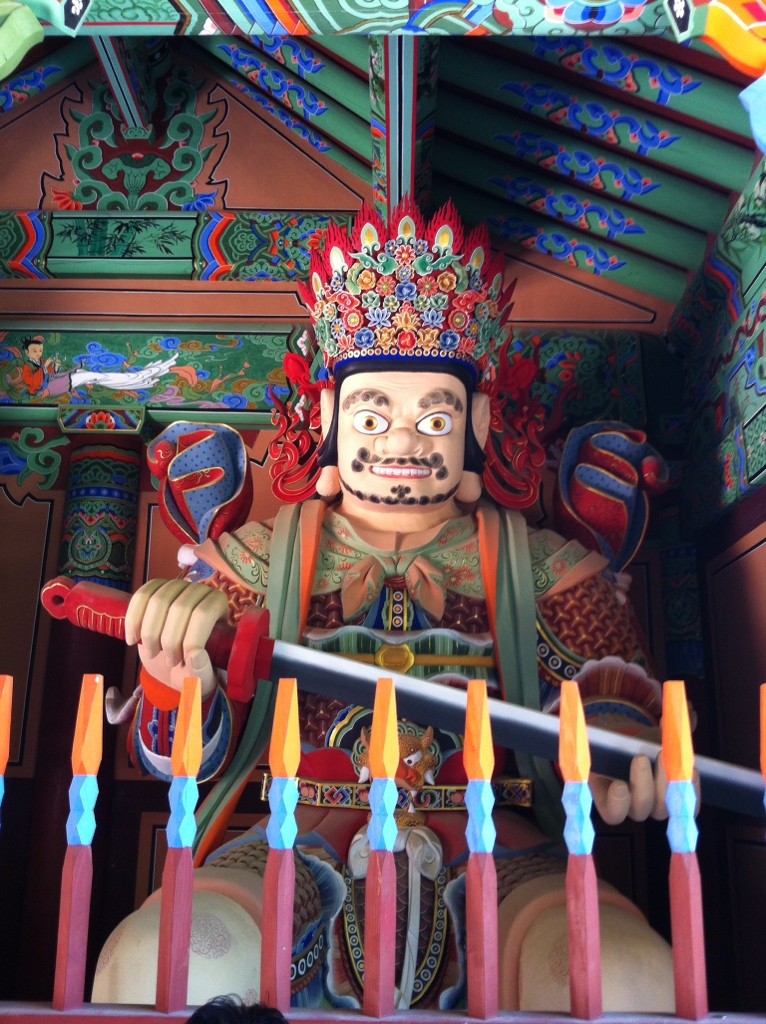
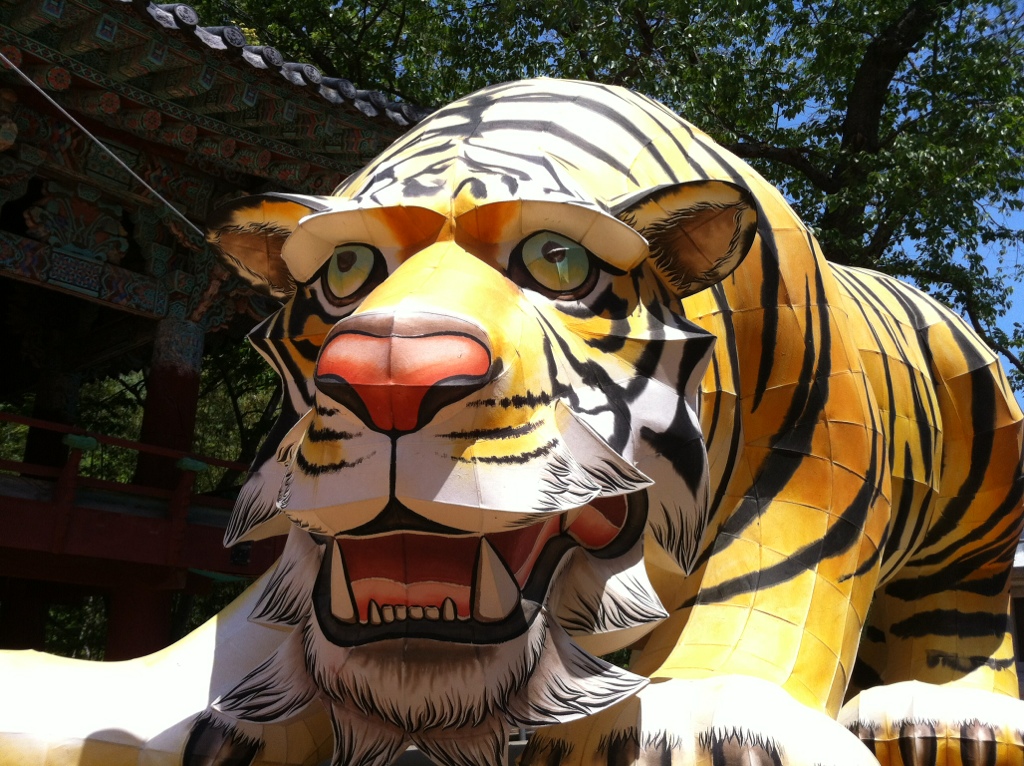
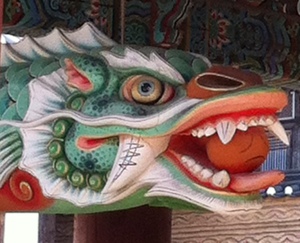
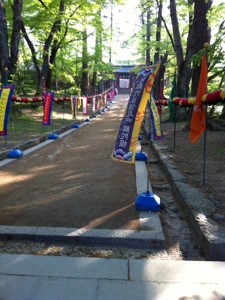
3. Busan – Beomeosa Temple – Free (Getting there – Subway to Beomeosa Station, taxi costs under $5 to take you up the hill to the temple. Getting back, it might be easier to take a bus – we were very lucky to flag a taxi.) Looks exactly like a temple should look – and feels like a temple should feel. Because we were there just before Buddha’s birthday – there were huge – and I mean giagantic lanterns shaped like animals, dragons, lions, monks, etc. on the grounds – all waiting to be paraded thru the town. The main temple is in 3 halls – each more beautiful than the last. The wooden carvings on the ceilings must be seen to be believed, twisting dragons, flying birds – you name it. I absolutely loved this temple – and I know now that they have a temple stay program. If I ever return to Korea – I definitely would like to stay here.

20130525-233127.jpg

20130525-233139.jpg

20130525-233152.jpg

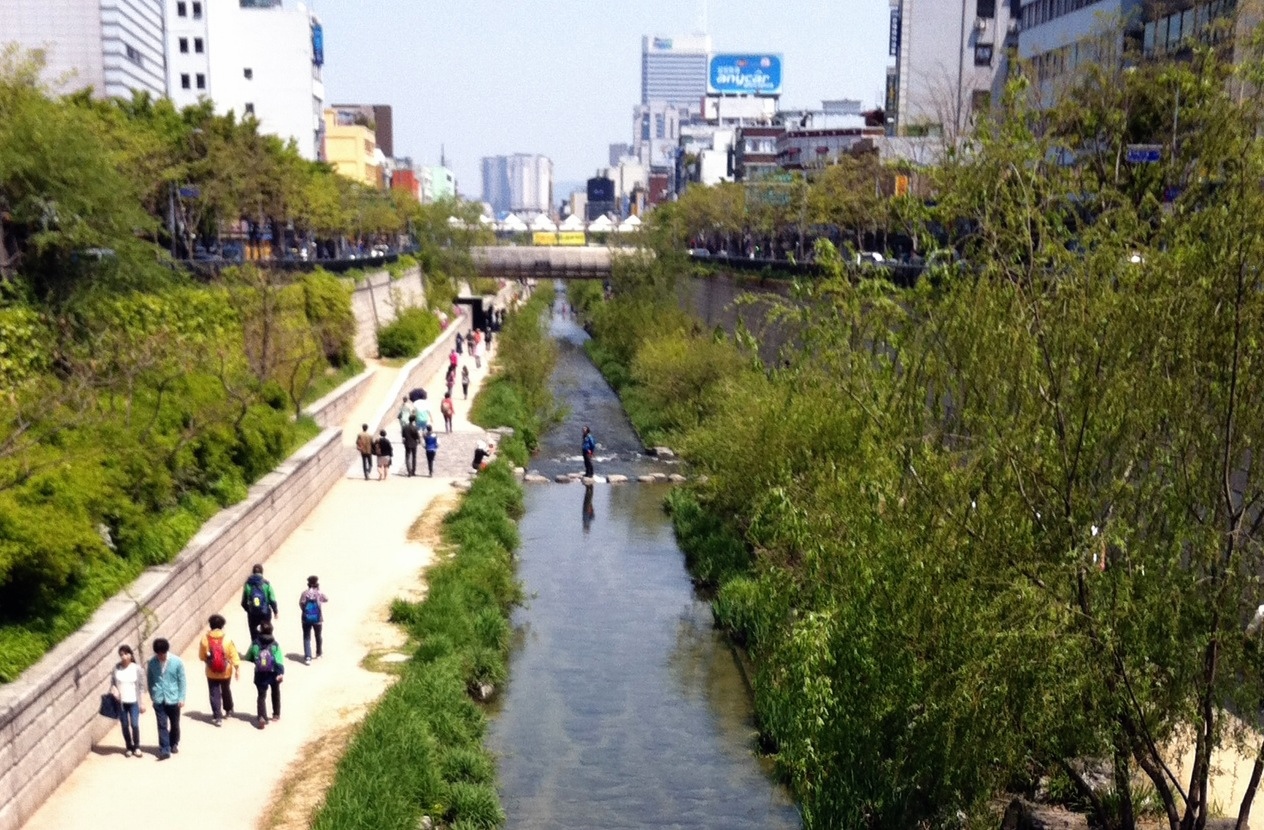
2. Seoul – Cheonggyecheon Stream (Getting there – you can’t miss it – the stream (river?) runs through the center of Seoul) This is a beautiful bit of city planning – a lot like the new High Line park in New York City – it’s a stunning example of taking a problem, and making it into a positive urban renewal project. The Stream/Park/Walking trail runs most of the length of Seoul, and there are skipping rocks to cross the stream, wide paths for walking, benches for sitting – and at night they float lighted lanterns – some really really big – down the stream. Lovely. (The Insight Guide gives you some of the history of this new – 2005 – renovation – a remarkable story to read in itself.)

20130525-233204.jpg

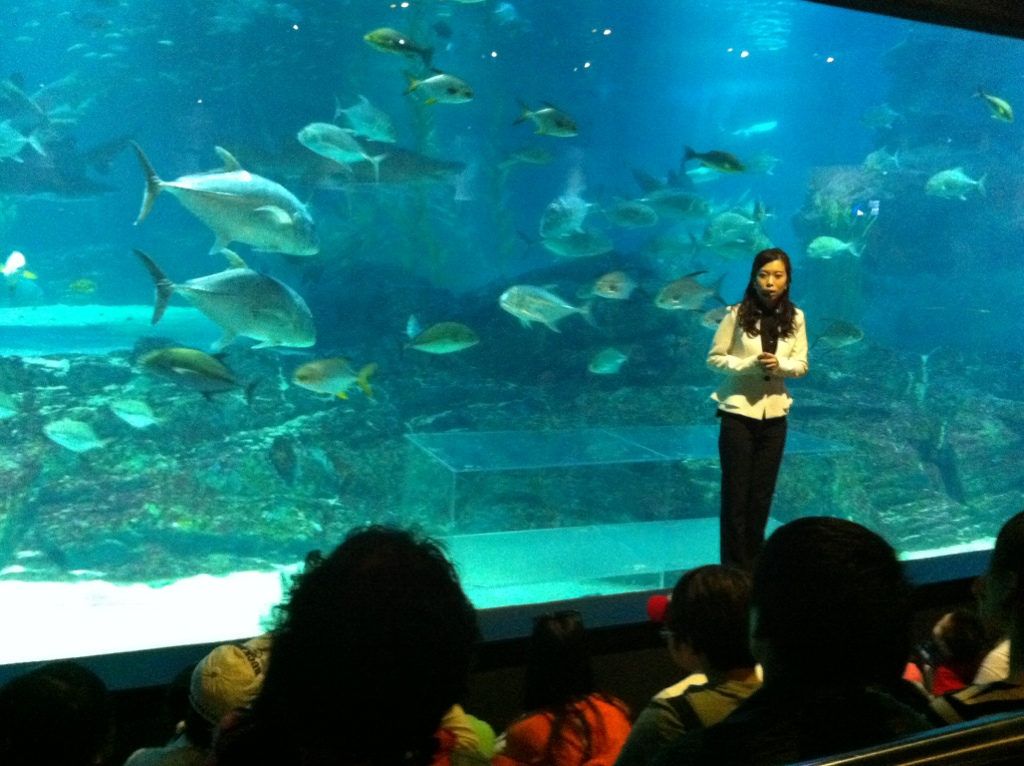
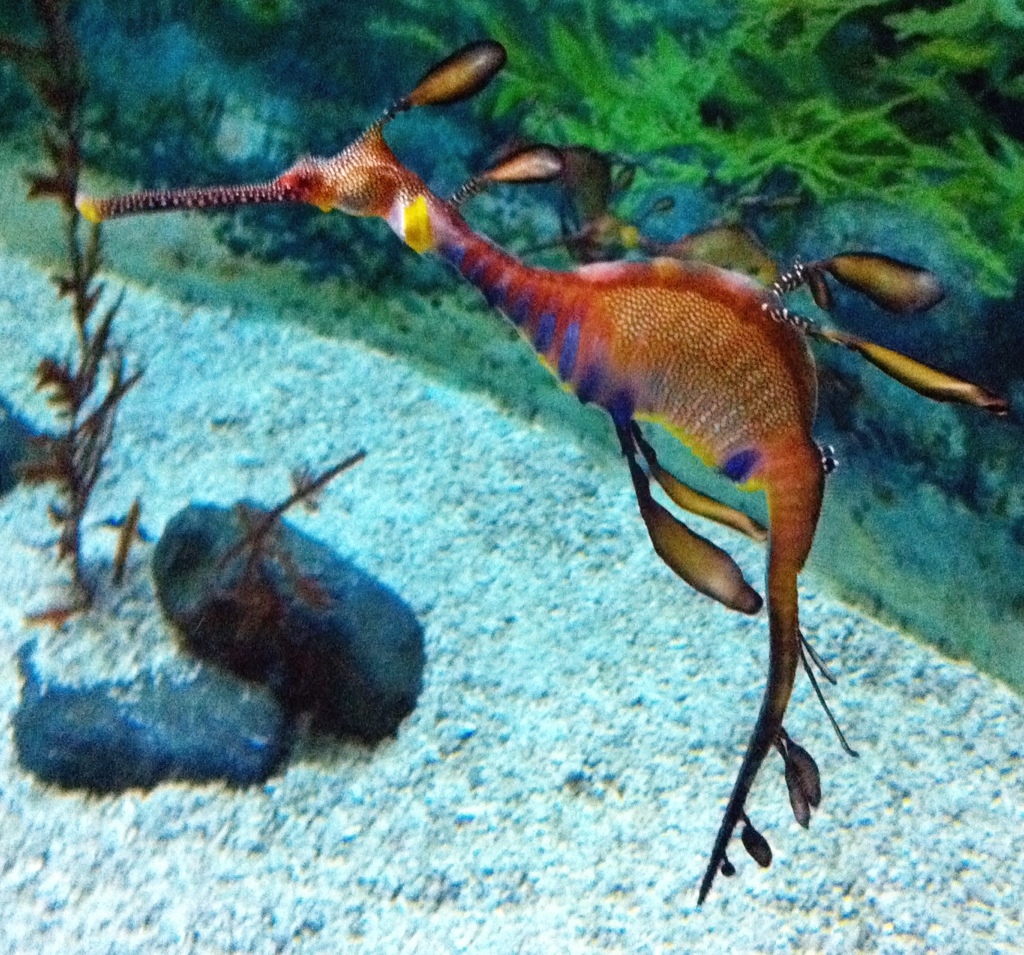
1.Busam – Aquarium – Expensive (Getting there – walk from the Haeundae subway stop). An amazing aquarium – and I’ve seen lots. They have shark feedings several times a day – a tank of weedy dragon fish – which I’d never ever ever seen before, the jelly fish section is outstanding on it own, they have a giant walk thru tank that besides the sharks – contains the largest manta rays I’ve ever seen – even scuba diving in the Caymens. They have turtles, they have eels galore, and everything, including all the descriptions, is in English and Korean. Afterwards there’s a free hot springs foot bath to the right along the Haeundae Board Walk. And if you are lucky – Korean bathing beauties to admire. So much fun.

20130525-233228.jpg

20130525-233839.jpg

Korean Museum Smack-Down


The Intrepid Traveler and I love Museums – in fact that’s a big part of the reason we became Visitors instead of Tourists – guided tours never give you enough time in the Museums. We can easily spend 3 to 4 hours in a museum – we get the audio tour, we read every sign, we examine every display carefully. I mean – we love museums.

Now I know that not everyone likes museums the way we do, people don’t even like Aquariums the way we do. So instead of a blog on every museum we visited (it would take way too many days) – I’ve decided to rank them – from worst to best – and defend why.

8. Our least favorite Museum – The Sokcho Beach Nature Museum (Walking distance from the Express Bus Station). Size matters – and this one was a single large room on the 3rd floor of a building full of restaurants. The stellar attraction was a model of a dinosaur that was sensitive to movement. When you got close – the jaws moved. Marcel (age 5) loved it. The rest of the museum was a taxidermist dream come true. There was a mock-up of an aquarium – poorly preserved fish with a paper ‘sea’ background, no explanation in English, I’m not even sure there was an explanation in Korean. Most of the ‘fish’ were plaster models – I think. The next big section was a series of land animals – lions, tigers, wolves, coyotes, polar bears (?), and the like – again – either poorly done plaster models or really badly done taxidermy. The highlight, besides the view and the moving dinosaur, were a series of animal skeletons and 3 large models of sailing ships. I didn’t get the shell collection at all. For free – it was a fun way to entertain a 5-year-old, if I’d had to pay – it would have been a complete waste. Lots less fun than building sand castles – trust me.

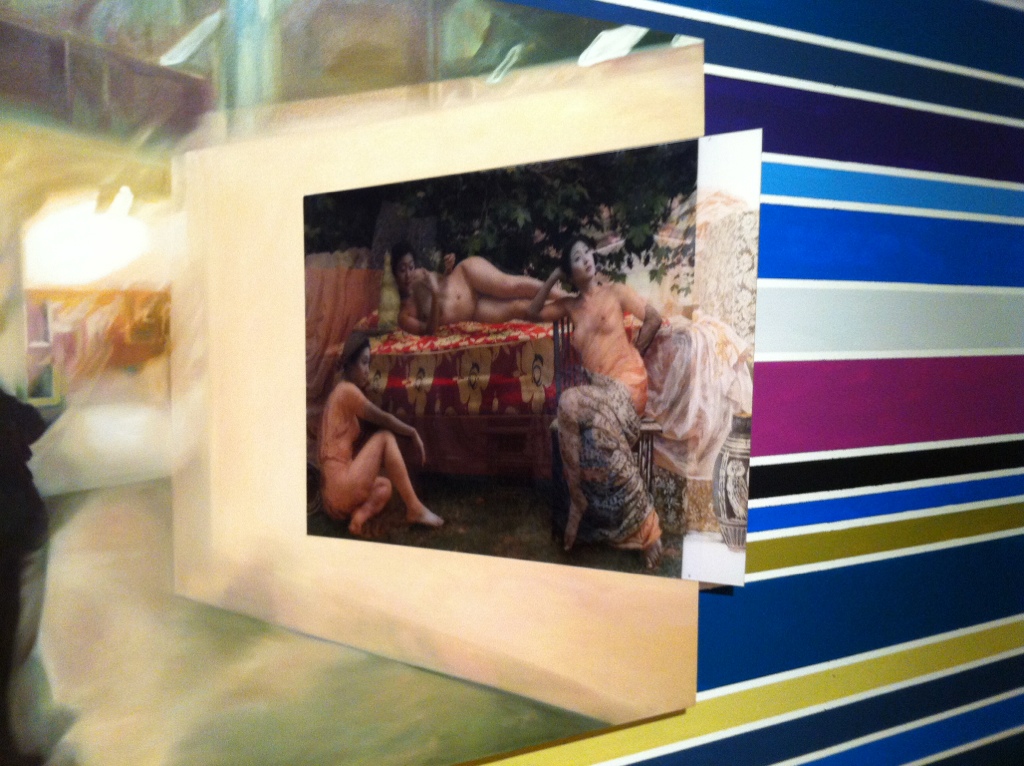
7. Busan – Museum of Art (Modern/Contemporary) – Free. (Has its own subway stop) Modern art is always a challenge to the viewer – and while I always enter museums like this with a feeling of excitement, I often walk out wondering what the world is coming to. The current exhibit contained some really interesting pieces, and some really strange stuff. Highlight – art that ‘stripped’ the clothes off the people in the paintings when you stood in the right place. Bottom line – the price is right, and if you never go – you’ll never find out how artists are seeing the world we live in.

20130524-050157.jpg

6. Busan – Museum – Free. (Ask for directions – its right next to the UN Cemetery – and not hard to reach.). Best parts of this museum were the life-sized re-creations – including a street from 1900 (when they first had barber shops in Korea – before that men wore their hair long and never cut it), the amazing video footage of the aftermath of the war, and some of the displays from earlier periods. Free Audio tour is a must of course. I liked the use of walk over displays too. In one, the first street car in Busan drives down the road. This museum is a must on the school tour circuit – and I got trapped between an exhibit and a stream of about 300 3rd and 4th graders walking through the museum. Trust me – I’m not sure they stopped anywhere – they just walked straight from the entrance to the exit. Tour Done. But then there was this foreign lady to see – I got hi, hello, hi from about 80% of the kids – so not only was this my personal highlight – I think I was theirs!

5. Seoul – National Korean Folk Museum – Free. (Close to the Gyeongbok Palace – walk around the outside of the Palace keeping the wall to your left – you won’t have to pay to enter) This was the very first museum we saw in Seoul, and what I remember most were two sections – a life-size traditional home, furnished as if the family had just gone out. You could see the kitchen area, and imagine the bustle as food was being prepared. The other part I thought was neat was the Children’s Museum – basically a space attached to the main museum but kept for just parents and young children. There were holes to stick your hand in, there was a large egg that you sawed in half to reveal a treasure (I’m guessing this is a Korean Fairy Tale). The kids got extremely excited to have the opportunity to do the sawing. We plan to go back with Marcel (age 5) to check this out.

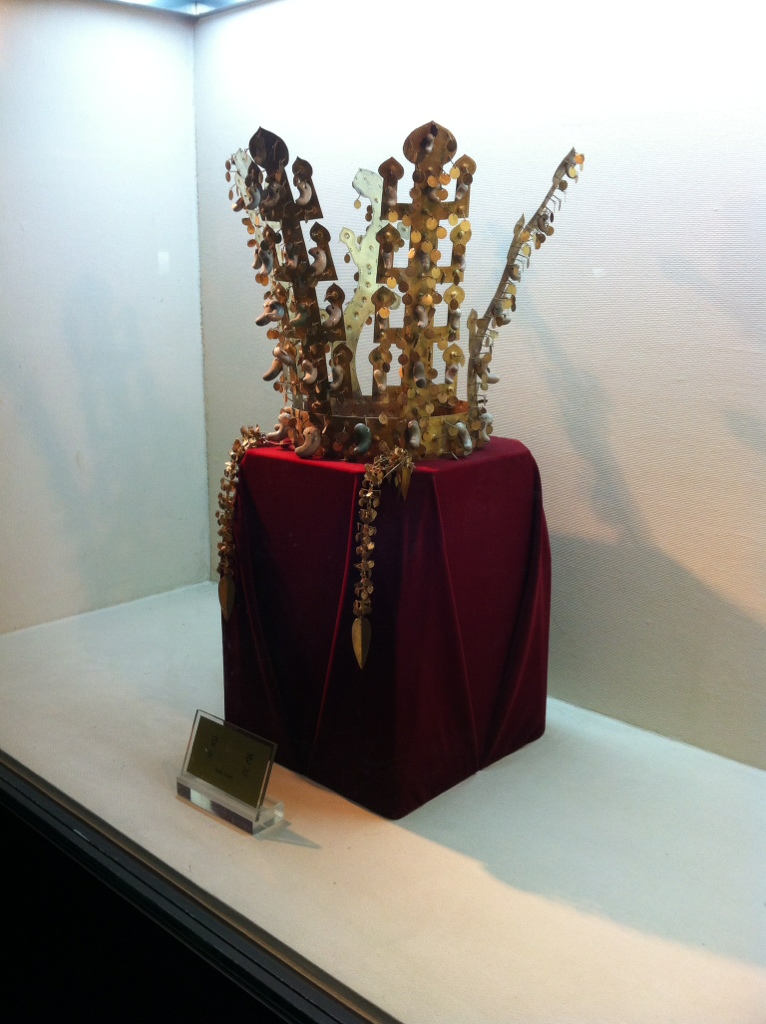
4. Gyeongiu – National Museum – Free – (Ask for directions) (in 3 parts – Shilla History, Stuff found at the Anapji Pond Historic site, and Buddhist Collection). We opted for the Audio Tour (1000 Won = $1) and it was well worth it. Even though they had moved the collection into a smaller building while they ‘earth-quake proofed’ the larger museum, seeing how seriously old the culture in Korea is was stunning. On one wall is a timeline of what was happening in Korea vs what was happening in the world – puts things into perspective fast. I also particularly loved the Buddhist collection – which since we saw this following our temple stay at Haein-sa – made a lot more sense. This is also the place we met the ‘English’ Teacher/Tour guide who confused rice and lice. But the collection of Silla remains is worth seeing. Over 1000 years old and still so beautiful.

20130524-050307.jpg

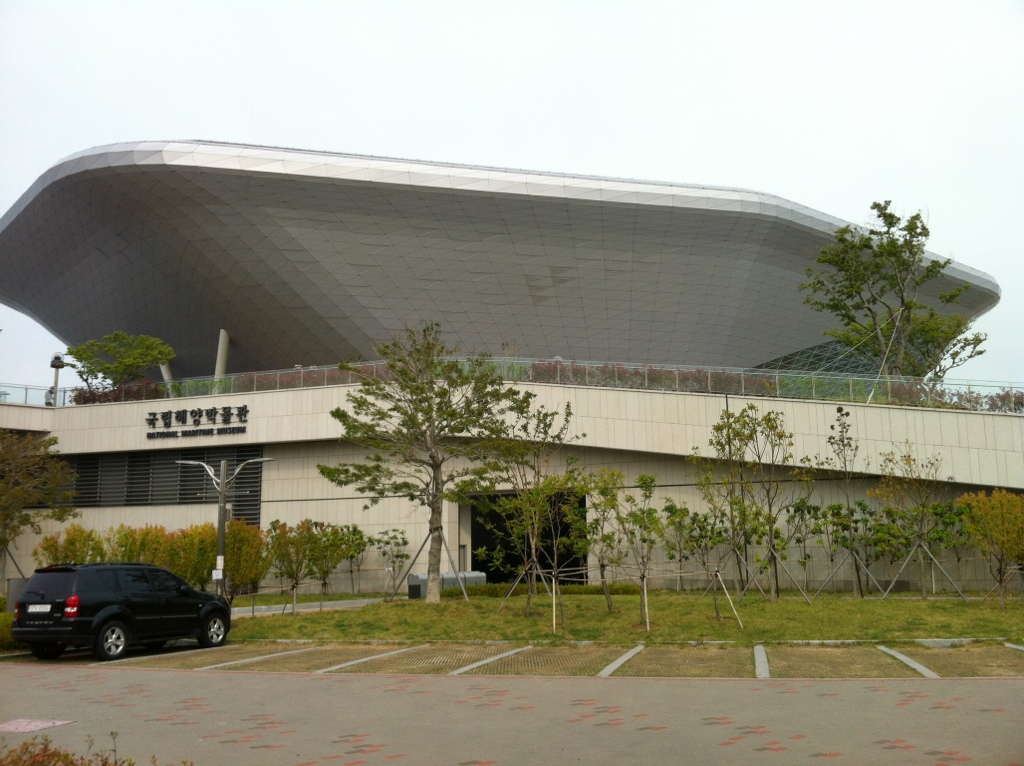
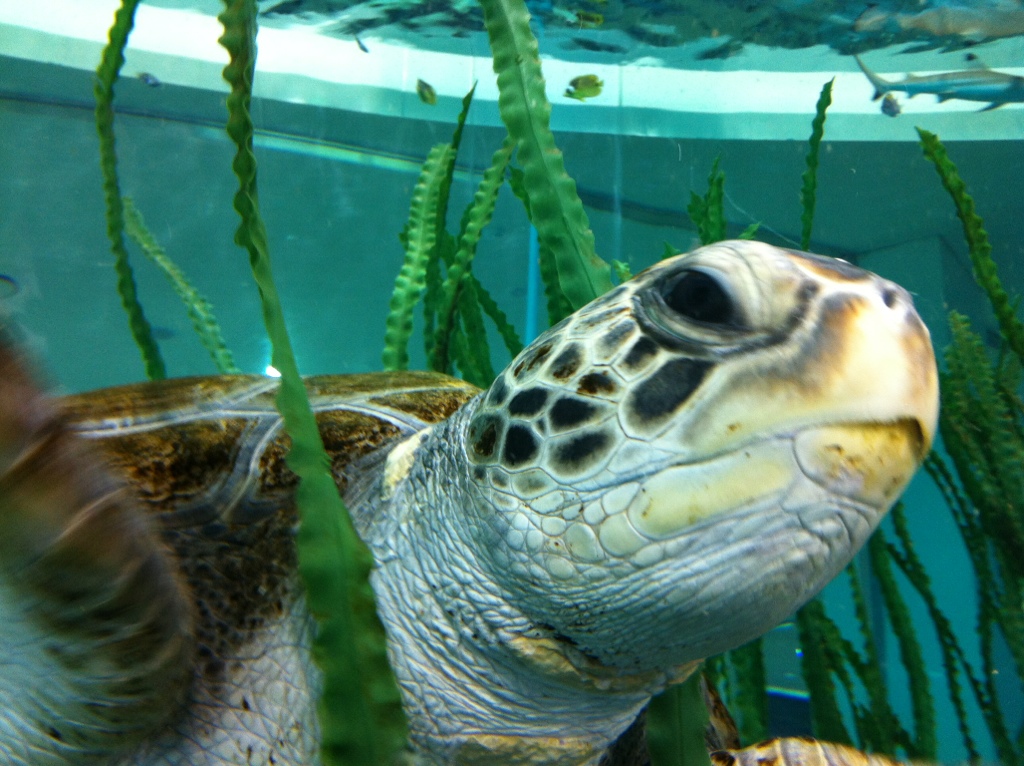
3. Busam – Maritime Museum – Free (Getting there – take the 66 bus from the Nampo-dogg subway stop). The building is worth the visit – a gigantic stainless steel Ship sailing off into the future. The exhibits were excellent as well – including a full-sized mock-up of one of the ships that the Josen rulers sent to Japan to try to keep peace – in the 1600’s. There’s a huge walk thru sea tanks – this one had a very friendly turtle. The video footage of the port of Busan in operation is definitely worth seeing as well.

20130524-045955.jpg

20130524-050020.jpg

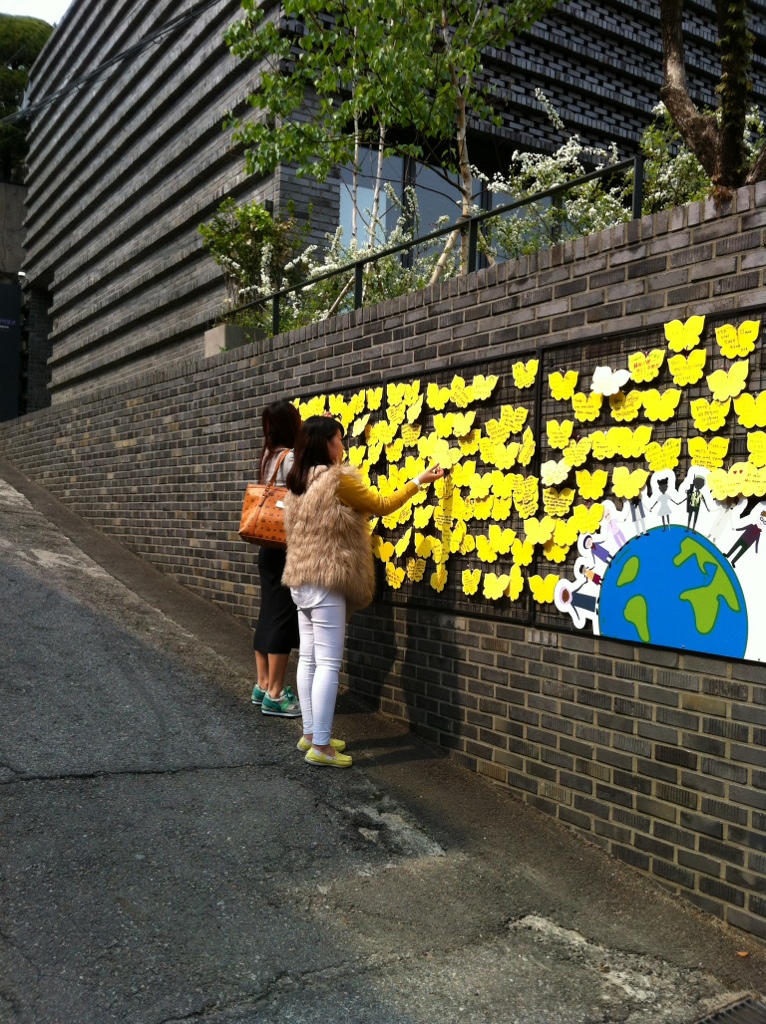
2. Seoul – Women’s Rights Museum – Charge. (Getting there – it’s walking distance – sort of – from the Hongik University subway stop) This is a small, but extremely interesting museum devoted to the ‘comfort’ women (starting at age 11!) effectively imprisoned by the Japanese to ‘service’ their soldiers during the occupation from 1905 to 1945. What is most interesting is the amount of ‘evidence’ they have collected about what was happening, including numerous stories by ‘comfort’ women who have openly and painfully revealed their past. The history is shameful, but the effort put into this tiny museum is worth seeing. Highly recommended. Picture below shows the ‘memory’ or ‘butterfly’ wall outside the museum – visitors were encouraged to sign a ‘butterfly’ dedicated to the memory of one of the ‘comfort’ women and pin it to the wall. Lovely thought, eh?

20130524-050232.jpg

1. Busam – Fisheries Museum – Free (Getting there – walk 2 minutes from the Haedong Yonggung Temple – makes it definitely worth visiting the Temple. They are connected by a red bridge and a seaside path. To get to the Temple – take the 181 bus from Haeundae Beach Station.). I liked this Museum for several reasons – there were lots of fish in tanks to look at – they made the path ‘up’ to the main area look like you were swimming thru an underwater cave, and the exhibits were very good at explaining the different types of fishing nets – without a word of English. There was even an entire section devoted to how pearls are made in oysters, another about women breathe-hold divers, and another one on harvesting abalone. Plus there were 2 interactive sections that were quite unique – one showed you the nutritional values of different foods on thermometers – the other allowed you to spin a dial and point and ‘shoot’ a fishing area off the coast of Korea. Your reward for hitting the target – a picture and description of the type of fish you’d find there. Fun museum – great location – and you can easily walk from there to one of the top temples of Busan – the Haedong Yonggung Temple. Plus – if you like fish – there were several quite reasonable restaurants nearby. A win, win, win!

20130524-050114.jpg

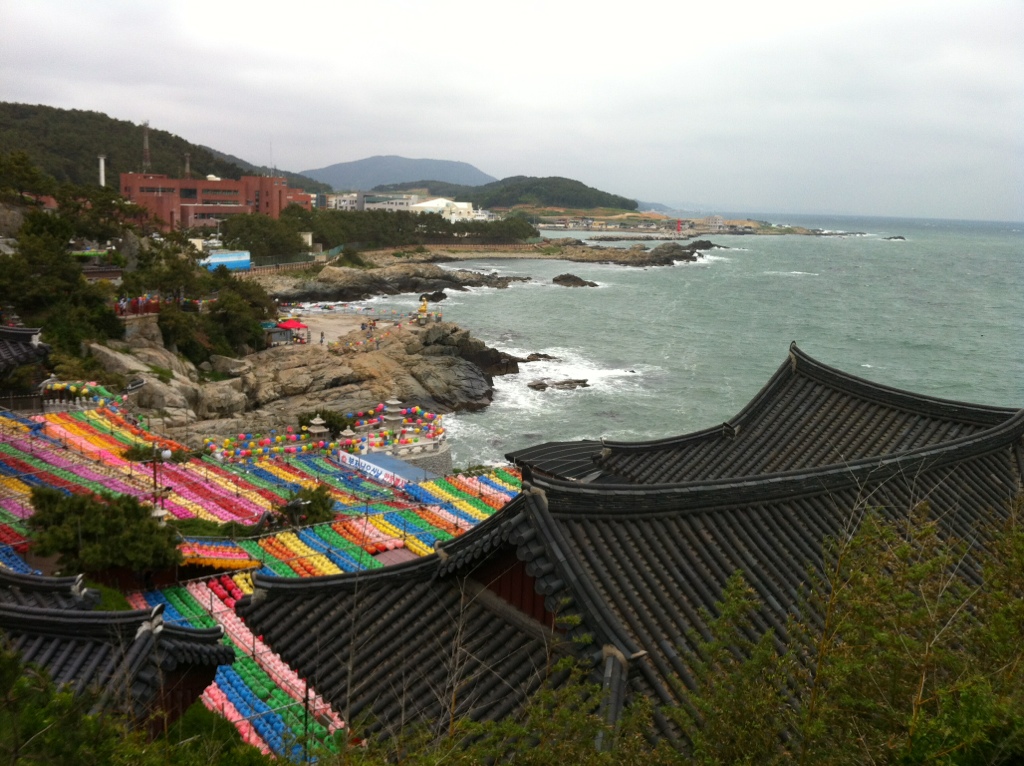
The picture above is taken from the highest point in the temple – looking towards the fisheries Museum – that blue wall you can see in the middle distance. All the lanterns are strung to celebrate Buddha’s birthday – which was the day after our visit. Lovely, eh? Very peaceful scene, wonderful temple, great museum.

But it’s not all about Museums! Check out my next blog for our ratings of ‘Not a Museum’ must see attractions in Korea. Our favorite…. well you’ll just have to wait to see

Korean Fireworks are the best!


And on top of that – they have Floor Heating.

Koreans don’t heat their homes – they heat their floors! And they’ve been doing that since around 71 AD – so it’s not exactly a new technology – but it sure is an effective one. Basically the system is very simple – either hot water or hot air is circulated thru pipes under the floors of the living space – not the bathroom, and often not the kitchen’s – and the rest is high efficiency heating and a cozy warm living space. Got to Korean creativity.

On the other hand – we are currently at a resort on the beach – and fireworks are a huge thing here. I love setting off fireworks on the beach in Maine – but we’re not talking sparklers here. Oh no – we’re talking rockets that fire 30 separate shots out of one tube, and depending on the price – you either just get a series of flying sparks and a bang – or you actually get a flowering display. I’ve even seen colored bursts. It’s way cool.

But people here go crazy. In the states and Canada there are really strict rules about lighting fireworks – here it’s a free for all. Last night a family was literally standing next to the resort sending off their fireworks – which go at least 60 to 100 feet in the air – with no idea where the sparks were flying! And another family stood on their 5th floor balcony – and just held the firing sticks in the hands – pointed out from the building at least.

Every morning you can see the remains of at least 5 dozen fireworks – just from the night before.

All this said – We absolutely love it. And of course I had to go buy a box – $10 (10,000 Won) at EMart will buy you a box with 17 different fireworks – 5 of the 30+ shooting stars, plus a series of smaller ones including fountains that shoot up about 8 feet high.

I keep trying to think of a way to bring a box home – but I think the custom agents would have a field day – not in a good way either.

Signing off – The Fireworks Madame…

Thinking about Thinking – more info about Korean Buddhism


Before you read this blog – be sure you’ve read my blogs about the temple stay at Haein-sa – this blog will make a lot more sense then.

One of our guides at Haein-sa summarized Buddhism into 3 rules.
1. Do not do all evil things
2. Do do all good things
3. Clear your mind

Our Monk suggested the following mantras:
1. Think about thinking
2. Share your thinking with others – not what you know or have read – but what you think
3. Walk slowly and be silent. It is in being silent that you can hear yourself thinking.
4. Focus on this moment. On Now. Only what you do now affects your future. The past is gone, the future yet to be written. Only Now counts.

At one of the temples I visited it was suggested that to be a Buddha you must eliminate 3 things:
1. Greed
2. Anger
3. Foolishness

Heady stuff, eh? How often do we just stop and think about thinking unless forced to by some outside force. Even today – Buddha’s Birthday here in Korea, people are consumed with material things – selling their apples or onions or cakes, playing their computer games , or in my case – writing my blog. Are any of us thinking about thinking? Is even thinking about this wasting time?

It’s hard to say from my perspective – I love wandering around markets, if every one was doing mediation, what fun would that be? Maybe it’s enough to know that there are people out there – Priests, Monks, Rabbis, Imams – who ‘job’ it is to think about thinking so we don’t have to.

Signing off so she can do some thinking – the Soup Lady.

Are you a Tourist, a Visitor, or a Traveller?


At Kim’s House in Busan, South Korea, the Intrepid Traveller and I met up with Alfonso – a young (36) Doctor from Spain who asked us if we were Tourists, Visitors or Travellers? When pressed further, the discussion got very interesting.

Tourists have plans, they know where they will be every evening, they know what they will see every day. They join tour groups, eat in ‘safe’ restaurants with English Menus and familiar foods, and they stay in ‘comfortable’ surroundings. You see them at all the major attractions, but rarely at the minor ones – not enough time in their schedules. They arrive in a city in the morning, and leave the next evening, enabling them to check that one-off their list. If there’s an important festival – they plan to attend. They prefer to talk to other foreigners, or among themselves. They often either ignore, or never learn any words in the language of the country they are visiting, again – not enough time.

I think we have all been tourists – sometimes in our own home towns We structure our day to be sure to capture the important ‘stuff’, leaving no time and no room for chance.

Visitors spend more time in each place they go. Because they have more time, they can afford to take a chance on different kinds of food – street food or meals in local restaurants. They may hit all the ‘top’ attractions, but they will also visit lesser known temples, museums, shopping areas, sections of town. Having more time means seeing fewer destinations, but makes it easier to see more of the ones you do land in.

The Intrepid Traveler and I are visitors. We chat up locals – even if only a few words, we exchange favorite foods on the metros with our seat mates. we spend time in religious meeting places, letting our feet relax, and our minds wander. We accept gifts from strangers – a taste of ginseng from a lady on the subway, cookies from a vendor on the street, a cake from our seat-mate at the bus station. We smile and wave at everyone – and get rewarded by becoming the ‘mission’ for a group of Korean School kids – asked by their teacher to talk to a foreigner. We are Visitors.

Tourists take Cruises – visitors take boats.
Tourists fly – Visitors take trains or Buses.
Tourists make plans – Visitors rely on the kindness of strangers.
Tourists and Visitors stay in all kinds of lodging – it’s not the lodging that makes the difference – it’s the time, the need for planning, the openness to adventure that makes the difference.

But what is a traveller. Alfonso was basically referring to himself. He is extremely fortunate to have the ability to work, and earn a very good income, any time he feels the need. So instead of taking a long-term position, he takes short-term contracts when he runs out of money, and otherwise – he travels. Many times his destination is unknown, even to him. The wind of chance blows him as it will, allowing him the opportunity to wander the streets of a district without a plan, without a goal, just the desire to experience the life there before he moves on.

To me – being a traveller sounds wonderful on the surface, but consider the downside. Like a rolling stone, a traveller by Alfonso’s definition will never get married, have kids, have grand kids. They will never have a place to call ‘home’, a garden to worry about missing the azalea blooms, friends to see month after month.

Nope – I don’t want to be a traveller – being a visitor is good enough for me.

Signing off – Korean Visitors – the Intrepid Traveller and the Soup Lady.

It seems so simple – Church Services in Seoul


As people who follow my blogging regularly know, my friend Jill is Catholic – so we go to services everywhere we travel. I’ve even met the former Pope (not quite a private audience of course – but still).

So we pretty much think we know how it goes – there’s a pattern to services, whether they are in Vietnam, Italy, or Spain that is very similar. We expected the same here in Korea – but we were wrong, wrong, wrong!

We ‘googled’ catholic services in Seoul – and found out that there’s actually a Cathedral – the Myeongdong Cathedral to be exact – and it’s the largest brick gothic building in Korea. You’d think finding it would be easy – but no. We walked right past it – Twice! It is surrounded on all 4 sides by other buildings – including a former hospital. To find the Cathedral, you must turn off the major street onto a side road – and keep your eyes peeled to the left. There’s a relatively narrow main entrance way – a set of stairs and a long long ramp that go from street level to the building itself.

Anyway – to find it – we had to stop people and ask directions. Good thing they were actually heading to mass. We followed them through a garage and up a twisting flight of stairs to the cathedral entrance – this was a short cut!

We entered in – and were not surprised to find ourselves in a cathedral that could have been anywhere in Europe – complete with stain glass windows and the relics of martyrs.

So where did we get confused? Well – part of the normal pattern of service is the collection of alms. Generally a lay person (or 2) takes a long handled basket, and passes it up and down the aisles, and you can put money in as you wish. But not here. We were sitting in the front row of one section, and suddenly this lovely young lady wearing a white drap over her head is gesturing at us to get up. We can’t figure out why. Jill thinks it might be time for communion, so she gets up and exits the row. The gal gestures at Jill to put her hand in a basket – which Jill does thinking it’s communion – and it is at that moment that Jill realizes they are collecting alms – you don’t take out – you put in!

Meanwhile – our entire row is on hold – waiting for Jill and I to move. It turns out that unlike every other church we’ve ever been in – here in Korea, the congregation raises – row by row, files up to the front, deposits their ‘alms’, and then returns to their seats. Highly organized – how Korean! Once you know what to do – you can follow – and had we been anywhere but in the front row – we’d have been ok. Live and learn.

When it finally time for Communion, we aren’t nearly as surprised that it too is highly organized. A priest goes row by row, gesturing people to raise and file out to join the queue. The only problem – I’m not taking communion. So everyone in my row – and both of the rows in the side sections must stumble past me to get in line. How embarrassing.

But the singing is lovely – there is a full choir, over 10 priests, layman and altar boys, a magniciant organ, plus a string section. The music is lovely, the surrounding very peaceful, and altogether a neat experience.

On the way out – one of ladies of the parish comes over to wish us well – and to let us know that there is an English service at 9;00 am on Sunday. We thank her kindly and go on our way. If we’re here next week we’ll do the Korean mass again – only this time – we’ll be better prepared.

A Buddha-ism – Learning to walk and think more slowly – Not easy I warn you!


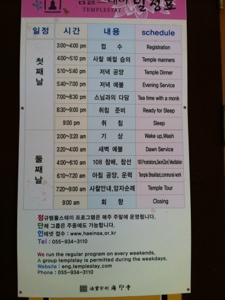
3:00 am comes really quickly, even if you are sleeping on the floor. And by 3:18 both the Intrepid traveller and I were up and listening to the 4 gongs being rung to wake all sentient beings. Not sure about everyone else – but I was awake – trust me.

We then walked – two columns, extremely slowly – into the prayer hall and following our leader, respected Buddha (that’s 3 full bows), respected the past, the present and the future (waist bows to the East, the North, and the West), and prayed with the Monks. None of them looked very sleepy – but I can’t say the same for our team.

We then walked – again in 2 columns, again very slowly – back to the 2nd prayer room – to do our 108 bows to Buddha. Why 108? It’s an important number to Buddhists – as our Monk explained, because there are 6 senses (the normal 5 plus time), there are 6 feelings (like, enjoy, etc.) and 6 * 6 is 36. And there is the Past, the Current, and the future – and 3 * 36 = 108.

So 108 bows. These are not at the waist bows – these are done starting from a standing position, dropping to a kneeling position, putting your head against the mat, raising palms to the level of your ears, pushing forward on to your knees, and finally standing again. Try it. Not easy. Now do 108 of those while the Monk claps a stick to keep time. One of our group was in charge of a rope of prayer beads – she moved one with each bow to keep track. I had decided the night before that if I could do 54 (1/2 the required number) – I’d be impressed.

20130514-094628.jpg

But surprisingly – I did all 108. Later on one of the group commented that its very hard to do 108 bows alone – but in a group, it’s easier. You gain mental and physical energy from the group. I think he might be on to something there – surely a 65-year-old – not in the best shape – old lady doing 108 bows is pretty incredible. I was impressed with me I’ll tell you.

And now it’s time to do the really hard thing – the sitting mediation. Our Monk had told us that the Monks actually do 7 days of mediation – no sleeping. They eat, they pray and they meditate – And if they come 20 minutes late to any of the mediation sessions – they are banished from Haein-sa for 3 years. 3 Years!

But I’m still worried. First off – no talking. Ok – I can survive an hour of no talking. 2nd – no fidgeting – no scratching your nose, no moving your knees, no moving your hands. That doesn’t sound much like me. And third – you have to keep your legs bent in the lotus position the entire time. This is going to be tough. He did give us some hints. One – concentrate on your breathing – one breathe at a time. Think about who knows you are breathing. And when something begins to bother you – think about it not hurting you. And when stray thoughts come into your mind – think about them, and then go back to thinking about your breathing. My favorite hint – keep both knees touching the mat. And fold the mat double.

I asked during our ‘Tea’ what was wrong with thinking – and was told – it’s not thinking that the problem – it’s flighty thinking – this and that and that and this – no pattern, no control. Try to control how you think. Ouch – that’s a huge challenge. I can’t even control my thinking when I’m typing… Even when I’m writing my blog I’m also listening to the people talking in Korean on the floor below me, and hearing the sounds of the birds and the traffic.

But I’m willing to give this a chance. So we go into the meditation hall, I struggle into the lotus position and shut my eyes. All is going ok when I hear the first ‘Crack’. The Monk has struck one of our group for falling asleep. Well nothing wakes you up faster than that I’ll tell you. The struck individual, as instructed, thanks the Monk for reminding him to mediate, not sleep, and we all go back to meditating. Twice more there are ‘Crack’s’ – but not once was it me. And then just as quickly as it began – it is over.

An hour passed so fast – I couldn’t believe it.

Next on the schedule is lying down mediation – and they tell us we can sleep. I think I slept – Jill says so anyway. Next is breakfast (lots worse than dinner – and dinner was pretty bad) – then its time to do our share of work. In our case its pretty easy – clean up our living quarters. I was hoping we’d help with farming – but no such luck. Guess they didn’t need inexpert farmers today.

We then get an escorted tour of the grounds of Haein-sa – which includes a walk around the comtemplation maze – again slowly – and in Hapjong position.

20130514-201507.jpg

Eventually we re-group with our Monk to discuss our Temple Stay.

20130514-094710.jpg

When we first met – we introduced our selves – our names, and countries of origin. This time the Monk challenges us to introduce ourselves – but without using our names, our jobs, our countries. To in fact – introduce ourselves by saying something important and unique about us. Not surprisingly – we learn a lot more about our fellows this time – information I’ll remember long after I’ve forgotten their names. Examples: “I lack judgement”, “My best friends are my sister and brother”, “I don’t like myself very much”, “I talk more than I listen”, etc., etc. Some in our group use this opportunity to explain what was most surprising to them – and beside the Noble Silence – many comment on how hard it was to walk slowly.

The general feeling is that we live life to fast to enjoy it – that taking time to slow down and just think – meditate – isn’t as wasteful as it first seems. Most of us agree to try to think a bit more slowly in the future.

At the end, our Monk encourages us to consider the current as most important – the past shaped us – brought us to where we are today – but can not change and has no power over us. The future is driven by the current – so knowing where you are today is key to your future. He gives us some gifts, a booklet about Buddhism, and a wooden bead bracelet with Chinese lettering. He explains to me that the bracelet says – “Your dreams and wishes can come true”. I wear it with pride.

The intrepid traveller and I leave Haein-sa – glad we came.

Getting Upclose and Personal with Buddha


I have a great idea – let’s go stay in a Temple – Vegan meals, you sleep on the floor, you get woken up at 3:00 am by drums to pray with the Monks, there’s 108 bows (from standing to full prostration) to Buddha to perform, followed by an hour of no fidgeting, no moving, meditation. Doesn’t that sound like fun?

You really have to wonder what I’m thinking some days!

20130513-074443.jpg

Fortunately, the Intrepid Traveler is a good sport – and willing to take a chance on these insane ideas of mine. So among our other plans for South Korea – we included a 2 day and 1 night stay at one of South Korea’s most famous monasteries – Haein-sa.

A couple of things you should know – the difference between a ‘Temple’ and a ‘Monastery’ is not what you might think. A ‘Temple’ is just a place of worship, a ‘Monastery’ contains not only a ‘Temple’, but also a school for Monks and a meditation center. Haein-sa has all that and more – it is also home to the Tripitaka Koreana – the oldest set of wooden printing blocks of the entire writings of Buddha in the world. This makes Haein-sa a double UNESCO world heritage site. It was saved from bombing during the Korean War because the US asked Korean fighter pilots to bomb it – and they recognized the value of the site – and dropped their bombs on the other side of the mountain.

Bottom line – it’s famous.

It’s also hard to get to. I guess that figures. So Jill and I get on an express bus out of Gyeongju for Daegu, switch to a local bus in Daegu for Haein-sa – and find ourselves packed in tight with fellow worshipers heading up the winding mountain road. The drive alone is a religious experience – of the ‘Oh Man – missed that one – Yikes – missed that one’ variety. Narrow roads, steep inclines, and buses passing buses for most of the 2 hour trip. Eventually we arrive at the ‘Lion’s Gate’ – the official entrance to the site. The bus continues up past 2 different parking areas, eventually dropping us at the ‘end of the line’ – and the beginning of a 1 km hike up to the main temple.

Haein-sa looks like I think a Buddhist temple should look. It’s isolated, it’s green, there are winding mediation paths everywhere, and there’s a wonderful mountain stream running over giant rocks to our left. It’s stunning. And crowded. And steep. And while we could stuff Jill’s suitcase into a locker at Daegu, mine didn’t fit – so she’s got her overnight stuff in a backpack – I’ve got mine in my backpack – and I’m dragging my suitcase. Not going to be fun.

Thank goodness for the kindness of strangers. On the bus a lovely young lady on her way to the Temple to pray had been telling us where we should get off – and when she realized that we had this suitcase to drag up hill – for a very long km – she pushed me aside and grabbed the handle. Jill made it about 1/3 of the way before I took her backpack off and added it to the suitcase – harder on our young friend but a lot easier on Jill. We walk slowly up to the main entrance to the Monastery – and then up 108 steps to the temple grounds. Our friend finds the Temple Stay office for us – and wishes us health on the rest of our trip. We wish her success with her prayers.

20130513-072124.jpg

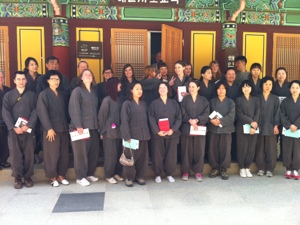
At the Temple Stay office, our charming hostess checked us in, gave us our temple uniform, and escorted to our cozy room for 15. We collapse. It’s cool, and we’re wiped – and there’s a long night ahead.

20130513-072138.jpg

During our stay – we must follow the temple time-table – and we must wear our temple uniform of baggy grey pants and an over wrap. The good news – everyone looks a bit funny, and no one sticks out. Plus we are clearly identified as Temple Stay participants – which gives us access to Temple dining, and a front row seat (well – kneel really) at services at 3:00 am.

Our fellow participants are a mixed group – about 40% are Korean – the other 60% have English as the common language, Australian, Brits, Americans and surprisingly at least 6 Canadians. The biggest single group is a cluster of English Teachers in private schools here in Korea – mostly pre-k, kindergarten, and up to 2nd grade. They share a website so they can meet up with each other to avoid feelings of isolation. And they decided that a Temple Stay would be a good cultural experience..

First up – Temple manners. We remove our shoes to enter the practice hall – and the Monk chosen to lead our group takes us to task for being sloppy and disorganized. Do it again – and get it right this time. Who knew that taking off shoes had rules?

Shoes removed to his satisfaction, we now must learn to bow. Silly me – thought I knew that. Nope. Turns out you must do this a special way as well. It’s feet close together (that makes it harder according to our teacher), knees to the prayer mat, hands to the mat, head touching right above your eyes, hands up and cupped – held level with your ears like you are lifting Buddha to heaven, hands down, then push forward, then push back and up to standing. Repeat. and Repeat. The third of the set includes a hapjang (palms together, fingers pointed towards your eyes).

Then we learn the proper position for mediation. There is standing mediation, walking meditation, and sitting mediation. Our teacher focuses on walking and sitting. Learning to sit isn’t that easy either. You have to have both knees touching the ground while one foot supports you and the other is folded on top. And your back must be straight. We will be doing an hour of this – and if we fall asleep – we will be struck with a stick – which the assistant demonstrates on the Monk. Ouch.

By the way – our Monk doesn’t speak English – so he speaks Korean and our hostess translates. But watching him move is intriguing, he is so graceful and elegant and efficient. No wasted gestures. Quite beautiful in fact.

20130513-075730.jpg

It is now time for temple dinner. We’ve been warned to be silent during dinner – in fact our Monk has challenged us not to make idle chatter while we are at the Temple, and also been told not to make any comments about the food. We must be grateful to be fed. Well – I was grateful, but also glad that Jill and I had smuggled in some pastries from Paris Baguette. Monks don’t eat well. Even for Vegans.

After dinner, it’s time to put our temple manners to the test. We line up in 2 columns (Koreans do everything in 2 columns – just saying) and walk slowly with our hands clasped in front of us to the drum pagoda. There are 5 different kinds of instruments, a large (twice the size of a man) drum, a wooden fish drum (see pictures), a cloud shaped gong, and a huge bell. All will be played by the Monks before prayers are started.

After listening to them, we proceed up 4 flights of stairs – no banisters, very steep – to the main temple, and take our prayer mats and places to the right front. There are already a fair number of participants – all further to the back than us.

The Monks (about 8) silently join us – and the lead Monk starts the service by striking a wooden gourd. We bow in time with the others – hum along with the sung prayer, bow a few more times in unison, and then are excused.

It is now time for what I think is the highlight of the day – something called ‘Tea with a Monk’. There are about 32 of us in total – and we gather in a circle – and are invited to ask our Monk any questions we want. Some are pretty banal – the number of Monks in the temple (it varies – from a dozen to 200 when there is a full retreat), why our Monk became a Monk (He prayed for guidance for 2 years before making the choice), but some are really important.

20130513-073050.jpg

One gal asks what we should be thinking about when we meditate – and that leads to a long discussion about meditation in general. Our Monk suggests that we focus on our breathing – and ask ourselves – who knows that we are breathing?

Another gal confesses that she doesn’t think she is worth much – and the Monk takes her to task – You must rid yourself of these thoughts, you must accept who you are – your past made you this way – it is the current and the future that you can change.

In general, the Korean participants ask the more meaningful questions, but the Monk rephrase them to be applicable to all. I keep thinking of the Jewish Mantra – “This too Shall Pass”.

At the end of what becomes a very emotional and for some ‘weepy’ session, we are excused to go to bed. End of a long, but oh so interesting day.

Signing off in silence – The soup lady and the intrepid Traveler.